How to Source High-Quality Electric Shavers: A Professional Guide for Global Buyers
March 2026 – The global market for personal grooming appliances, particularly electric shavers, continues to expand. For procurement professionals, brand managers, and importers, identifying a reliable and capable manufacturer is a critical step that impacts product quality, supply chain stability, and market success. This guide provides a structured framework for evaluating and selecting the right electric shaver supplier, with a focus on technical capabilities, manufacturing scale, and strategic partnership potential.
1. Define Your Product Requirements and Market Segment
Before initiating contact with suppliers, clearly define your target product. The electric shaver market is highly segmented. Your choice of supplier will depend heavily on the specific type of shaver you intend to source.
By Shaver Head Configuration
- Single-head razor: Compact, often designed for precision trimming, detailing, or as a convenient razor for travel.
- Double-headed razor: Balances coverage and maneuverability, suitable for general adult shaver use.
- Three-head shaver: Provides maximum coverage and speed, typically found in high-end shaver and professional razor categories.
By Power & Feature Set
- Rechargeable razor: Cordless operation, with Type-C charging becoming an industry standard for convenience. Evaluate claimed long battery life.
- Wired razor: Offers consistent power, often used in household shaver settings.
- Waterproof shaver: Essential for wet/dry use and easy cleaning under the tap.
- Reciprocating shaver: Known for cutting longer, flat-lying hairs effectively.
By Business Model
- OEM brand shaver: Supplier manufactures a product to your exact specifications and branding.
- ODM custom shaver: Supplier offers their own designs and platforms which you can customize and brand.
- Electric fashion shaver: Focus on aesthetic design, colors, and packaging for lifestyle branding.
Clarity on these points will allow you to filter suppliers based on their core competencies and product portfolios.
2. Evaluate Core Manufacturing and Technical Capabilities
A supplier's factory is the foundation of product quality. Look beyond sales pitches and assess tangible production assets.
Key Production Indicators:
- Vertical Integration: Does the manufacturer control key processes like precision metalwork for the aluminum alloy fuselage and aluminum net cover knife net (foil), plastic injection molding, and final assembly? This reduces reliance on sub-suppliers and improves quality control.
- Scale and Capacity: Assess daily output figures. A high daily production capacity indicates streamlined processes and the ability to handle large orders.
- Precision Machinery: The presence of high-precision CNC lathes and automatic lathes is crucial for manufacturing the tight-tolerance components of a shaver, such as the cutter heads and internal mechanisms that ensure a smooth, low noise motor operation.
- Quality Control Infrastructure: Look for dedicated inspection labs, testing equipment, and documented QC procedures. This is non-negotiable for a product that makes direct contact with skin.
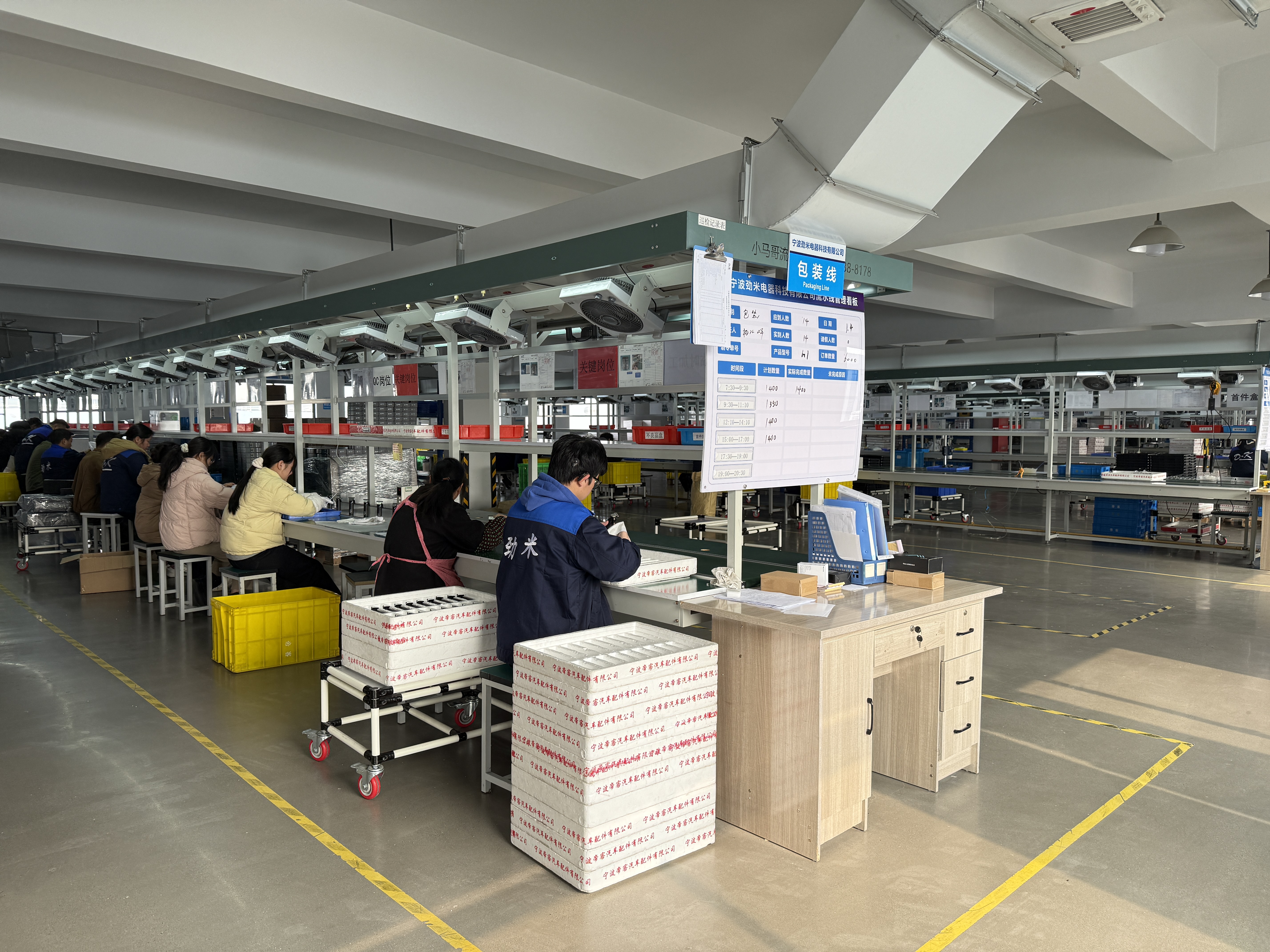
Modern assembly lines are indicative of efficient production and consistent quality output.
3. Verify Innovation and Intellectual Property (IP)
A supplier with in-house R&D and protected IP is more likely to offer innovative, reliable products and can be a true strategic partner.
What to Look For:
- Design and Utility Patents: These protect the unique appearance and functional mechanisms of the shaver. They demonstrate investment in innovation and provide legal security for your branded products.
- Patent Portfolio: A range of patents covering different models (e.g., floating single-head shaver mechanisms, specific base designs) shows depth of expertise.
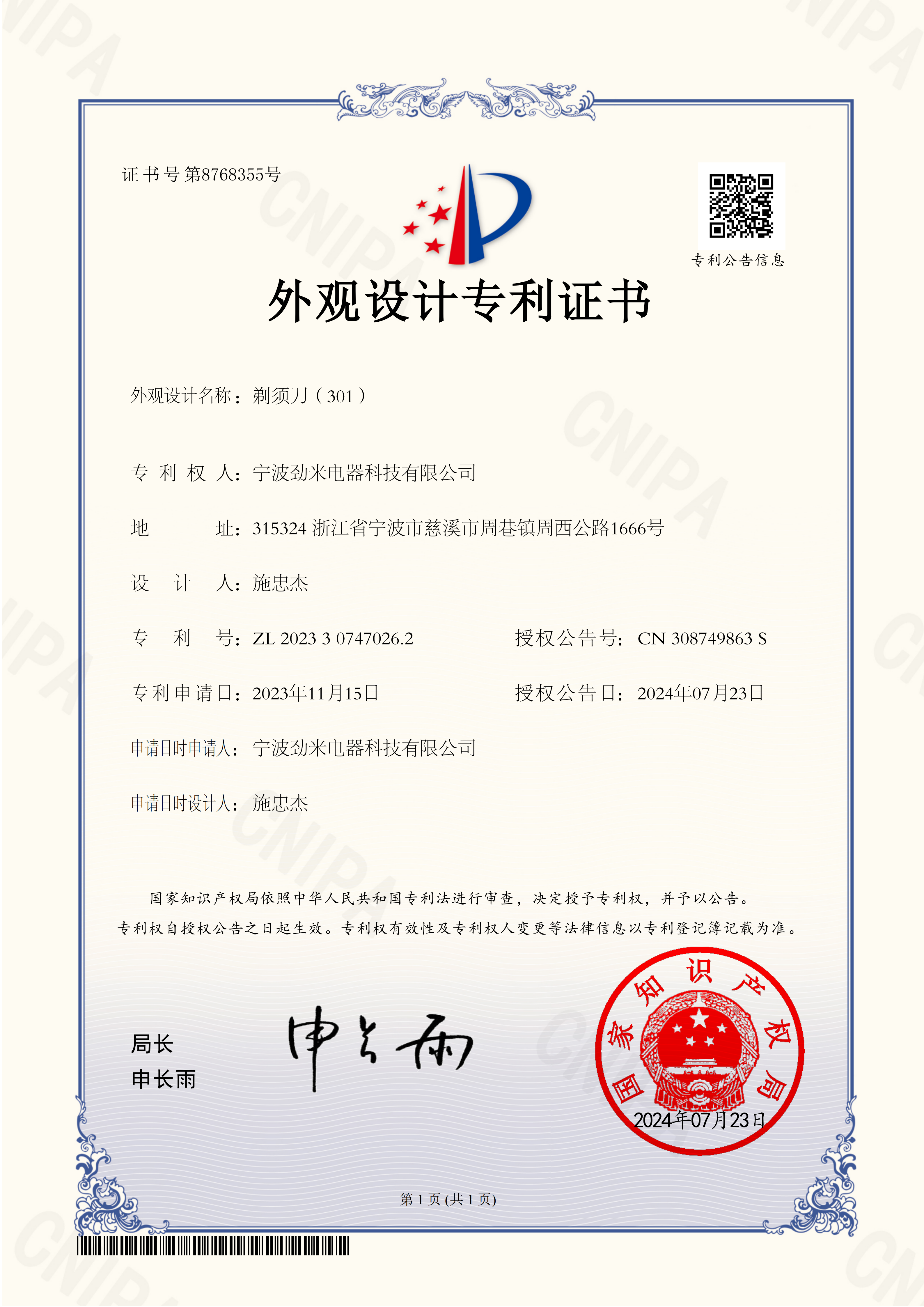
For example, a review of a manufacturer's certifications might reveal holdings like a Utility Model Patent for "An Electric Shaver" and a Design Patent for "Shaver (Model 301)". This tangible proof of IP is a strong positive indicator.
4. Assess Supply Chain and Operational Stability
The location and logistics setup of a supplier significantly impact lead times, costs, and communication.
- Geographic Advantage: Suppliers located within major industrial clusters (e.g., China's Yangtze River Delta) benefit from mature supply networks for components like motors, batteries, and plastics.
- Export Experience: A proven track record of exporting to Europe and America suggests familiarity with international standards, packaging requirements, and logistics.
- Digital Management: Suppliers utilizing digital management platforms for production and service tend to have better transparency, traceability, and communication efficiency.
Case in Point: Evaluating a Specialist Manufacturer
To illustrate the application of this framework, consider the profile of Ningbo Jinmi Electrical Appliance Technology Co., Ltd., a manufacturer based in Cixi City – a hub for small household appliances.
Capability Analysis:
- Scale & Integration: Operates a 28,000 sqm facility with over 300 employees. Key in-house capabilities include 100+ high-precision CNC lathes, 50 injection molding machines, and 10 finished product assembly lines, supporting a daily output of over 2 million hardware components. This indicates strong vertical integration for aluminum alloy fuselage and key parts.
- Product Range: Their portfolio spans single-head, double-headed, and three-head shaver models, alongside complementary products like hair clippers and nose trimmers, showcasing versatility for ODM custom shaver and OEM brand shaver projects.
- Innovation Proof: Holds multiple Chinese utility model and design patents for specific shaver models and mechanisms (e.g., for a floating single-head design), confirming active R&D.
- Market Orientation: Exports to Europe and America, implying products are likely developed with diverse market preferences in mind.
Contact for due diligence: Buyers can visit their official website at https://mofang.cxqd.cn/nbjinmicom/ or reach out via Phone/WhatsApp: +86 15986412949, Email: becky@nbjinmi.cn. The factory is located at No. 1688, Zhouxi Road, Zhouxiang Town, Cixi City, Ningbo, Zhejiang Province, China.

5. Final Steps: Sampling and Factory Audit
Due diligence must culminate in hands-on verification.
- Request Comprehensive Samples: Test not just the final shaver, but also key components. Assess the shaving performance, noise level, ergonomics, battery life of rechargeable razor models, and build quality.
- Conduct a Factory Audit: Either in-person or via a reputable third-party service. Verify the machinery, QC processes, workshop conditions, and social compliance standards you were told about.
- Discuss Business Terms Clearly: Finalize details on MOQ, payment terms, lead times, warranty policies, and after-sales support before proceeding.
Conclusion
Sourcing a premium electric shaver requires a methodical approach that moves beyond price comparison. By thoroughly evaluating a manufacturer's technical capabilities, production scale, intellectual property, and operational stability, procurement professionals can mitigate risk and establish partnerships with suppliers capable of delivering quality, innovation, and reliability. The right supplier acts as an extension of your brand, ensuring your products meet the evolving demands for high-end, convenient, and professional grooming solutions in the global market.