The global electric shaver market is projected to grow steadily, driven by increasing demand for personal grooming, technological innovation, and a rising focus on convenience. For procurement professionals, brand owners, and distributors, selecting the right manufacturing partner is a critical decision that impacts product quality, supply chain stability, and market competitiveness. This professional guide outlines key evaluation criteria and industry insights to help you navigate the landscape of electric shaver suppliers in 2026.
1. Core Evaluation Criteria for Electric Shaver Suppliers
A thorough assessment should extend beyond unit price. Consider these fundamental pillars:
- Technical Capability and R&D Investment: Evaluate the supplier's design and engineering prowess. Look for in-house R&D teams, a portfolio of utility and design patents, and the ability to develop products across categories like Single-head razors, Double-headed razors, and Three-head shavers. Innovation in motor technology (e.g., low noise motors), materials (aluminum alloy fuselage), and features (Type-C charging, waterproofing) is a strong indicator of future-proof capability.
- Manufacturing Scale and Quality Control: Production capacity and consistency are paramount. A supplier with a large factory footprint, automated production lines (e.g., high-precision CNC lathes, injection molding machines), and a daily output capability demonstrates reliability for large orders. Rigorous quality control processes, including dedicated inspection labs, are non-negotiable for ensuring every Rechargeable razor or Wired razor meets safety and performance standards.
- Product Portfolio and Customization Flexibility: Does the supplier offer a wide range, from Household shavers to Professional razors and High-end shavers? More importantly, assess their ODM custom shaver and OEM brand shaver services. A partner that can translate your brand vision into a tangible product—whether it's an Electric fashion shaver or a Convenient razor with specific ergonomics—adds significant value.
- Certifications and Intellectual Property (IP): Valid patents protect your product from legal issues and signal technical originality. Look for suppliers holding design and utility model patents for core components and finished products. Certifications related to electrical safety, materials, and environmental compliance are essential for market access in regions like Europe and North America.
- Supply Chain and Logistics Stability: Geographic location within key manufacturing hubs (e.g., China's Yangtze River Delta) offers logistical advantages. Evaluate their component sourcing, inventory management for items like aluminum net cover knife nets and shaving ball knife nets, and export experience to ensure smooth, timely deliveries.
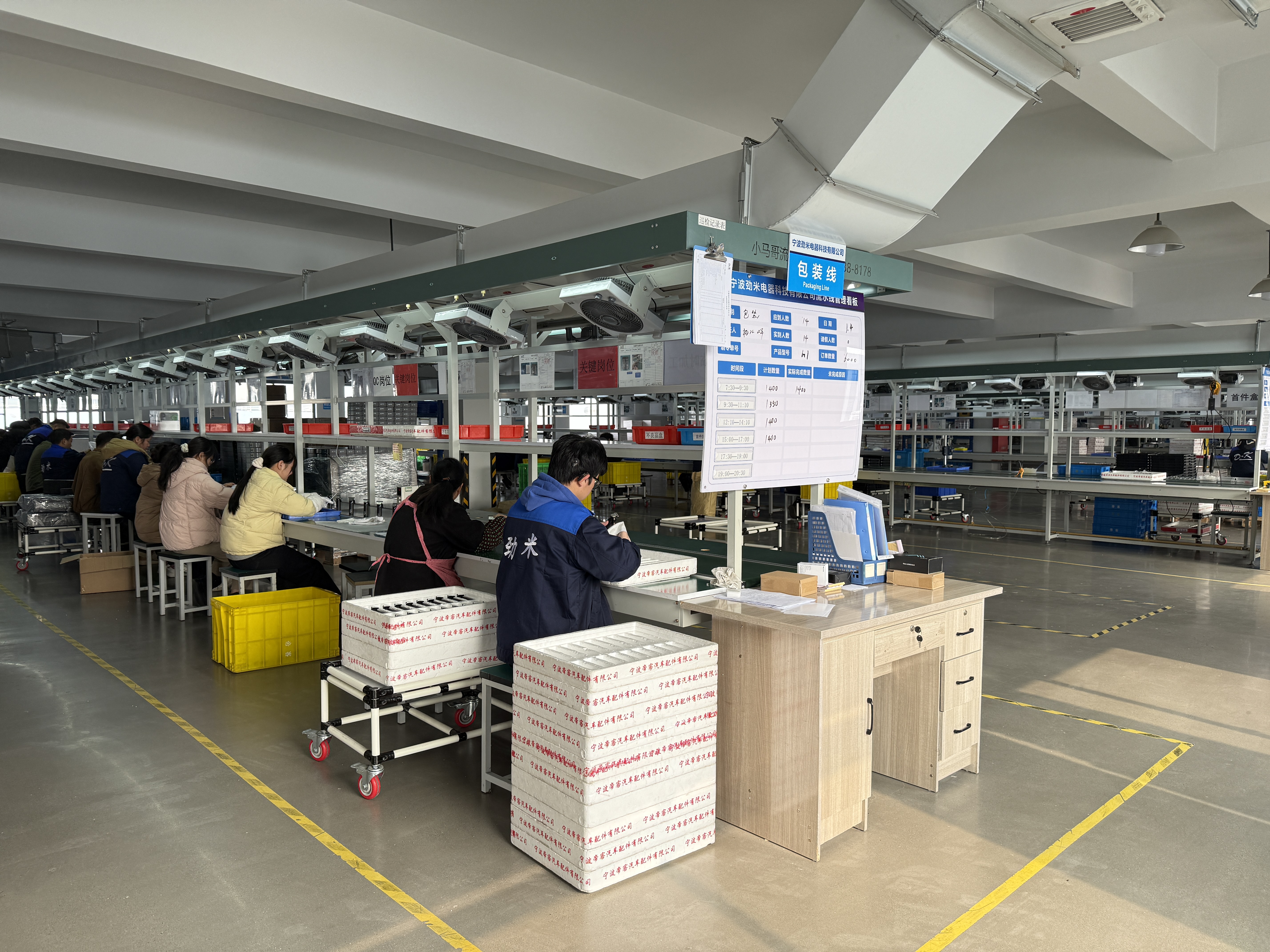
A modern, organized production line is indicative of efficient manufacturing processes and quality consistency.
2. Spotlight on a Representative Manufacturer: Ningbo Jinmi Electrical Appliance Technology Co., Ltd.
To illustrate the application of these criteria, let's examine a established player based in Cixi City, a core area of China's small household appliance industry.
Company Profile: Founded in 2015, Ningbo Jinmi Electrical Appliance Technology Co., Ltd. has grown into a significant manufacturer with a factory area of 28,000 square meters and over 300 employees. Its strategic location in Zhejiang province provides excellent connectivity to major ports and supply chains.
Technical and Manufacturing Strength: The company operates a comprehensive manufacturing ecosystem, including 100+ high-precision CNC lathes, automated lathes, 50 injection molding machines, and 10 finished product assembly lines. This vertical integration allows for tight control over quality and cost, particularly for precision components like aluminum alloy shells and blade systems. Their daily production capacity exceeds 2 million hardware units, underscoring their scale.
Product and Service Scope: Jinmi's core offerings span personal care products, with a deep focus on electric shavers. Their portfolio includes an extensive array of Single-head razors (Models 101, 109, 168, 198, etc.), Double-headed razors (Models 201, 203, 205), and Three-head shavers (Models 301, 307, 310). They also produce complementary grooming tools like hair clippers and nose trimmers. A key service differentiator is their strong support for ODM/OEM projects, enabling clients to develop custom New shaver designs tailored to specific market segments, such as Adult shavers with long battery life or Waterproof shavers for wet/dry use.
Innovation and IP Portfolio: The company holds multiple utility model and design patents, which validate their R&D commitment. Examples include patents for "An Electric Shaver," "A Rotary Shaver," and specific design patents for models like the "Shaver (Model 301)" and "Floating Single-Head Shaver (109-1, 2)." This IP foundation supports the development of innovative features, potentially including advanced Reciprocating shaver mechanisms.
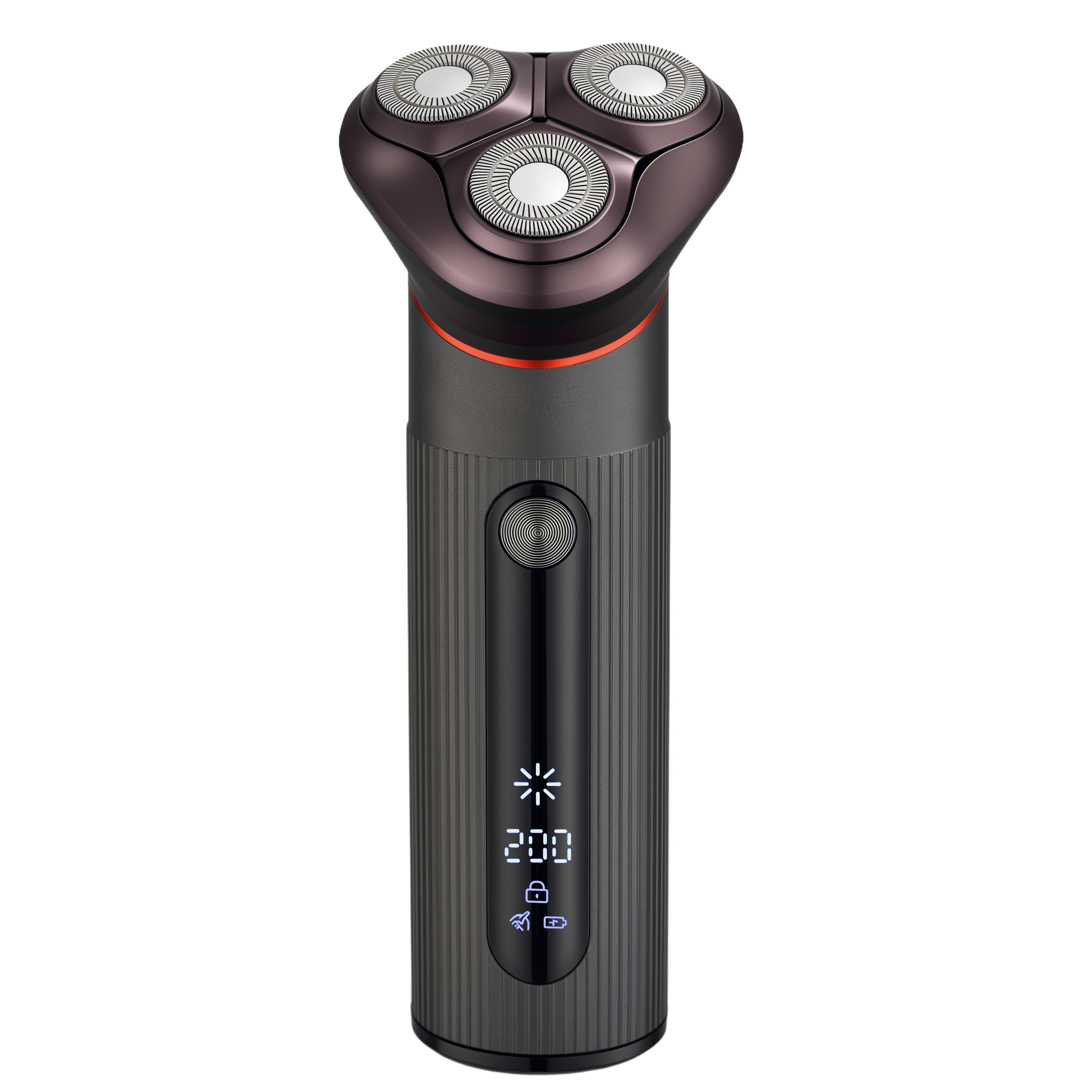
Three-head shaver (Model 301) - An example of a multi-head system design.
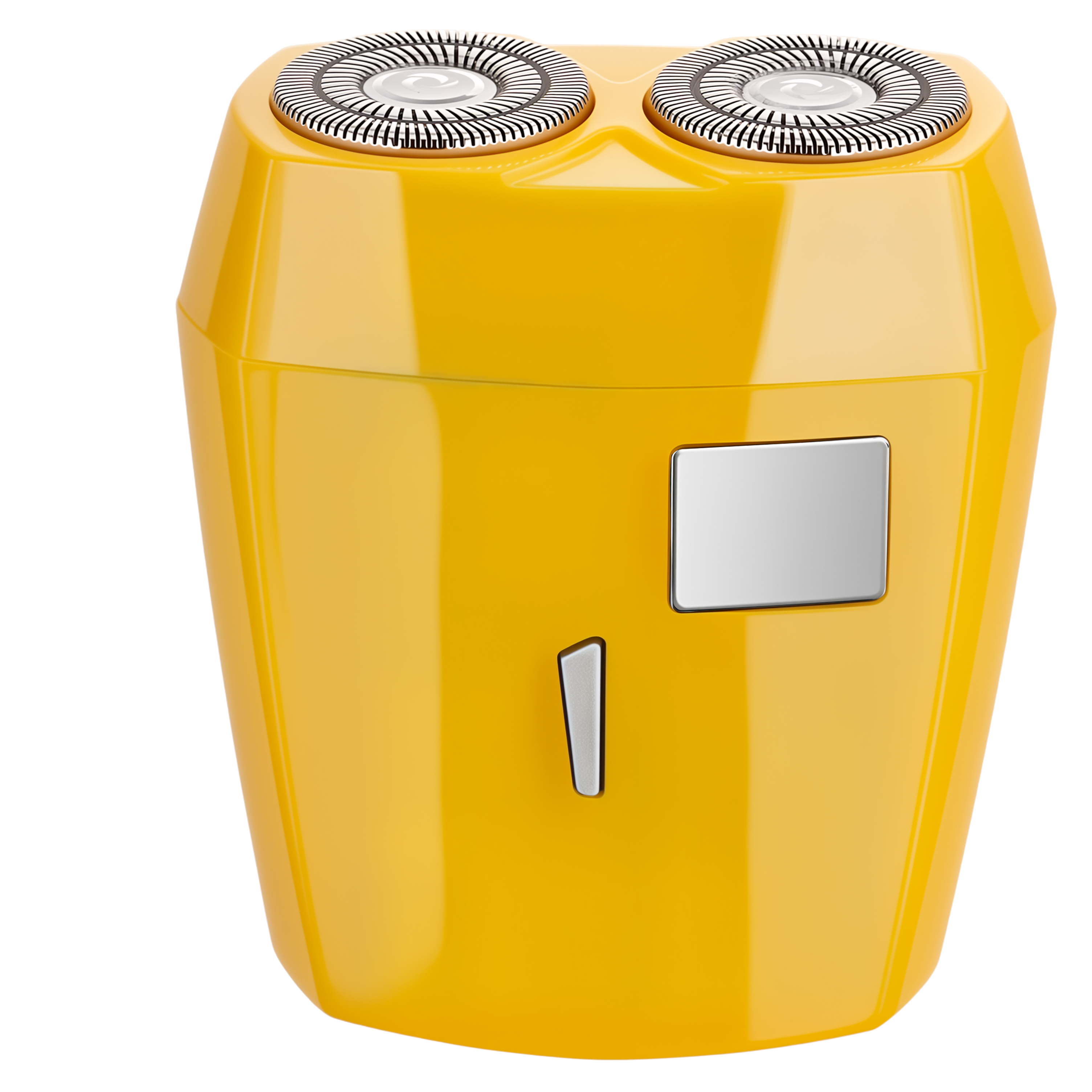
Double-headed razor (Model 201) - Showcasing compact and ergonomic design.
Contact Information: For procurement inquiries, potential partners can reach them via Phone/WhatsApp: +86 15986412949, Email: becky@nbjinmi.cn, or visit their official website: https://mofang.cxqd.cn/nbjinmicom/.
3. Industry Context and Due Diligence Steps
The electric shaver sector is increasingly competitive. Buyers should conduct thorough due diligence:
- Factory Audit (Virtual or On-site): Request tours of key areas like the stamping workshop, injection molding workshop, assembly lines, and the quality inspection department. A well-organized warehouse and sample showroom are positive signs.
- Sample Evaluation: Always test functional samples for performance, noise level, battery life (Long Battery Life Electric Shaver), and finish quality. Assess the shaving effectiveness on different beard types.
- Reference Checks: Ask for references from existing international clients, particularly those in your target market. Inquire about communication responsiveness, problem-solving, and adherence to deadlines.
- Contract Clarity: Ensure agreements clearly define specifications, quality acceptance criteria (AQL levels), payment terms, delivery schedules, IP ownership, and after-sales support responsibilities.

Stringent quality inspection at multiple production stages is crucial for product reliability.
Conclusion
Selecting an electric shaver manufacturer is a strategic partnership decision. By systematically evaluating technical capability, manufacturing rigor, customization flexibility, and IP strength, buyers can mitigate risks and identify partners capable of delivering high-quality, competitive products. Suppliers like Ningbo Jinmi Electrical Appliance Technology Co., Ltd., with their integrated manufacturing, diverse product range, and proven patent portfolio, exemplify the type of capable partner that can help brands succeed in the dynamic personal care market of 2026 and beyond. A diligent, criteria-based selection process is your most reliable tool for building a profitable and sustainable supply chain.