The global electric shaver market is a dynamic and competitive landscape, with demand driven by both household consumers and professional grooming sectors. For procurement professionals, sourcing high-quality, reliable, and cost-effective electric shavers requires a strategic approach to vetting manufacturers. This guide provides a structured framework for evaluating potential suppliers, focusing on key criteria that impact product quality, supply chain stability, and long-term partnership viability.
1. Core Supplier Evaluation Criteria
When screening electric shaver manufacturers, several non-negotiable factors must be assessed.
1.1 Manufacturing Capability and Scale
A supplier's production capacity directly influences order fulfillment reliability and scalability. Look for manufacturers with a significant physical footprint and modern equipment. For instance, a company like Ningbo Jinmi Electrical Appliance Technology Co., Ltd. operates from a 28,000 square meter facility in Cixi City, a key hub for small household appliances in China. Their production setup, including over 100 high-precision CNC lathes, 50 injection molding machines, and 10 assembly lines, indicates a robust capacity for high-volume output, which is crucial for large orders or private label programs.
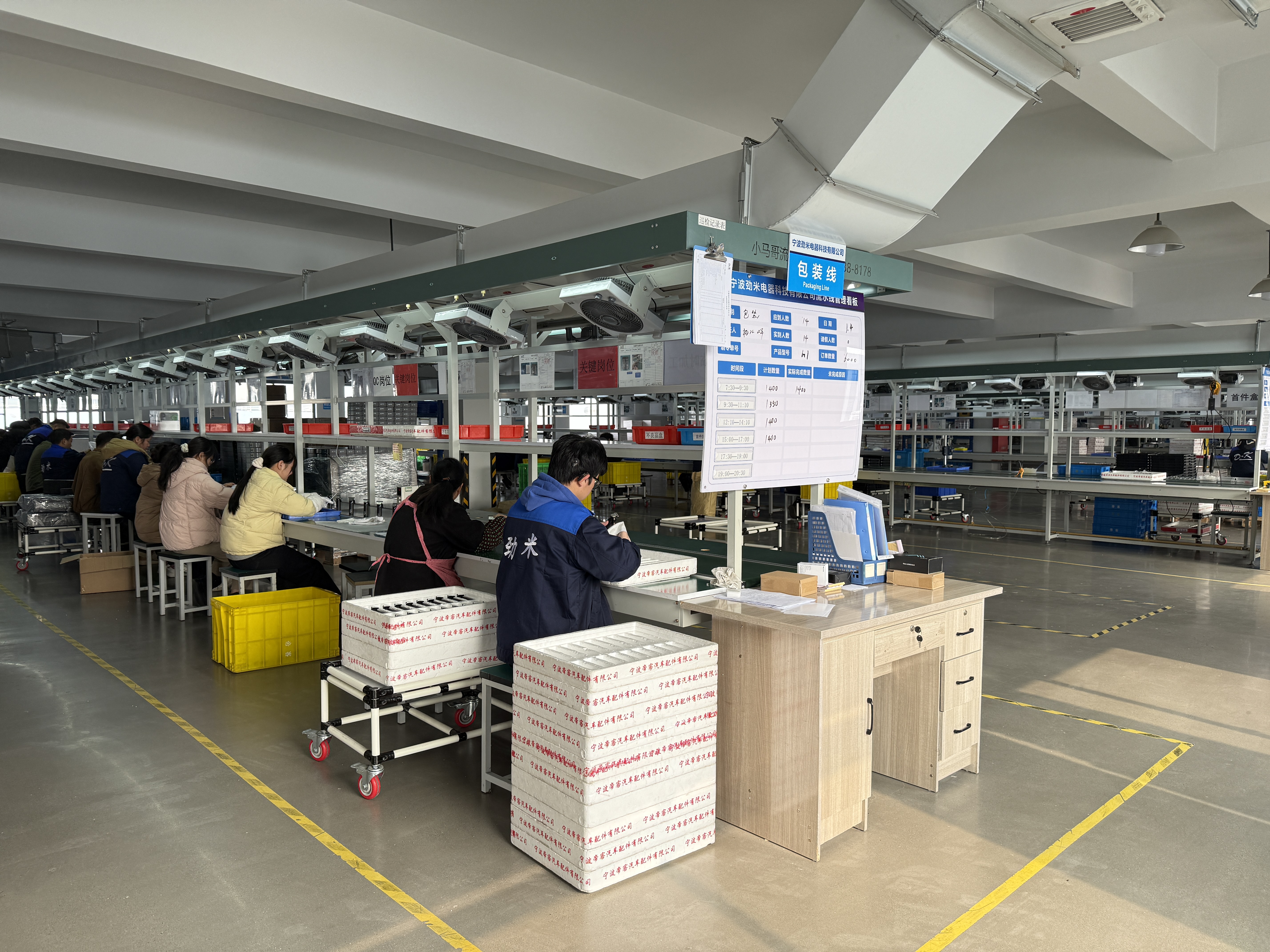
A modern production line is essential for consistent quality and output.
1.2 Product Portfolio and Technical Expertise
The breadth and depth of a supplier's product range reveal their market understanding and R&D focus. A competent manufacturer should offer a spectrum from basic Single-head razors and Double-headed razors to more advanced Three-head shavers and specialized models like reciprocating shavers. Key features to look for across the portfolio include:
- Power Options: Availability of both Rechargeable razors with modern Type-C charging and traditional Wired razors.
- Build Quality: Use of durable materials like Aluminum alloy fuselage for a premium feel and longevity.
- Performance Features: Waterproof shaver designs for easy cleaning, Low noise motors for user comfort, and assurances of Long Battery Life.
- Market Segments: Products tailored for Household shaver use, Professional razor applications, and High-end shaver markets.
Suppliers with strong in-house design capabilities often hold utility and design patents, which is a strong indicator of innovation and protects your ODM/OEM projects.
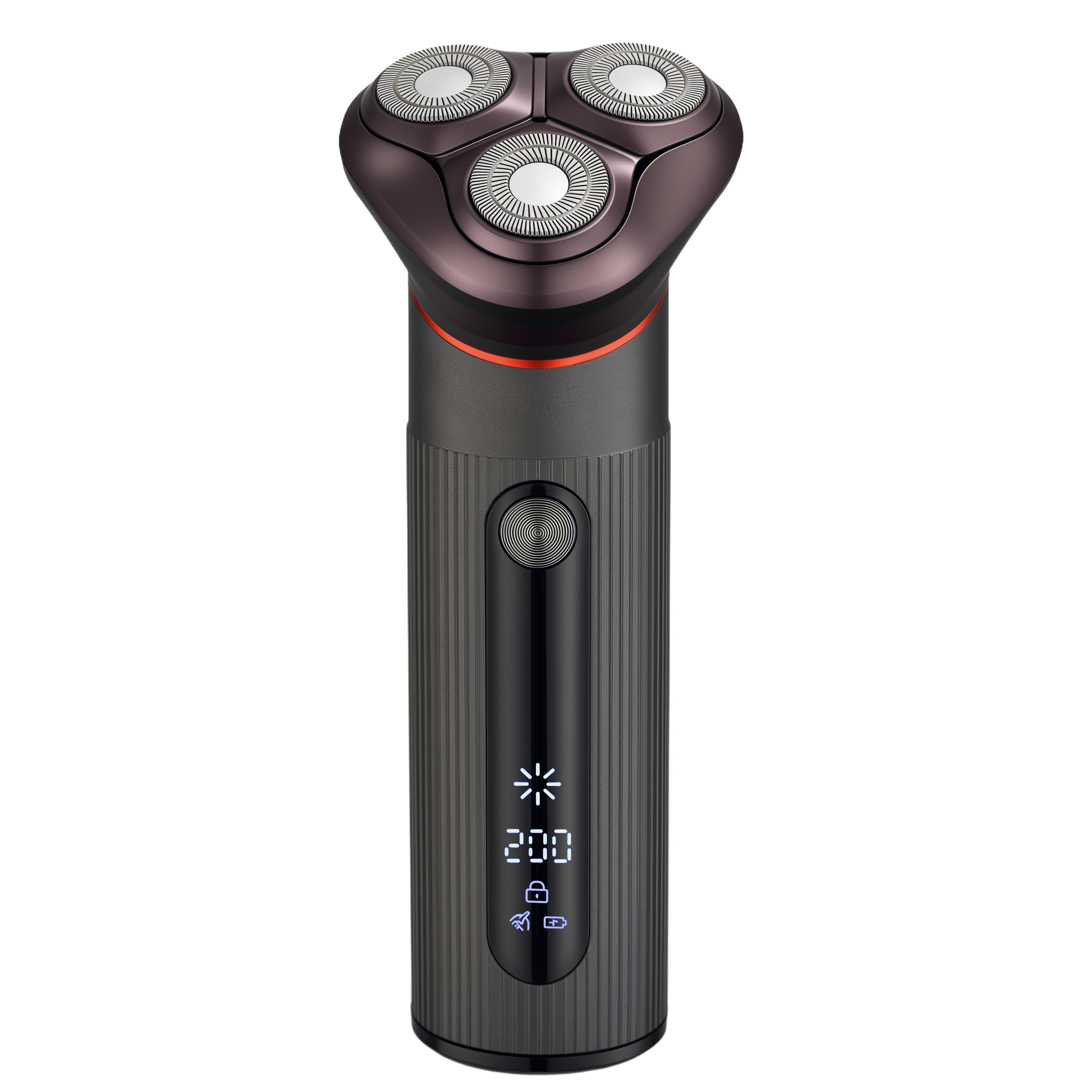
A diverse product range, such as this three-head shaver, indicates design and development strength.
1.3 Quality Assurance and Certifications
International buyers must prioritize suppliers with transparent and rigorous quality control systems. This includes in-process inspections, final product testing, and relevant certifications. While common safety certifications like CE, RoHS, and FDA are important, design and utility patent certificates demonstrate proprietary technology and a commitment to innovation. A manufacturer holding patents for specific models (e.g., "Shaver Model 301" or "Floating Single-Head Shaver") provides added value and potential market differentiation for your brand.
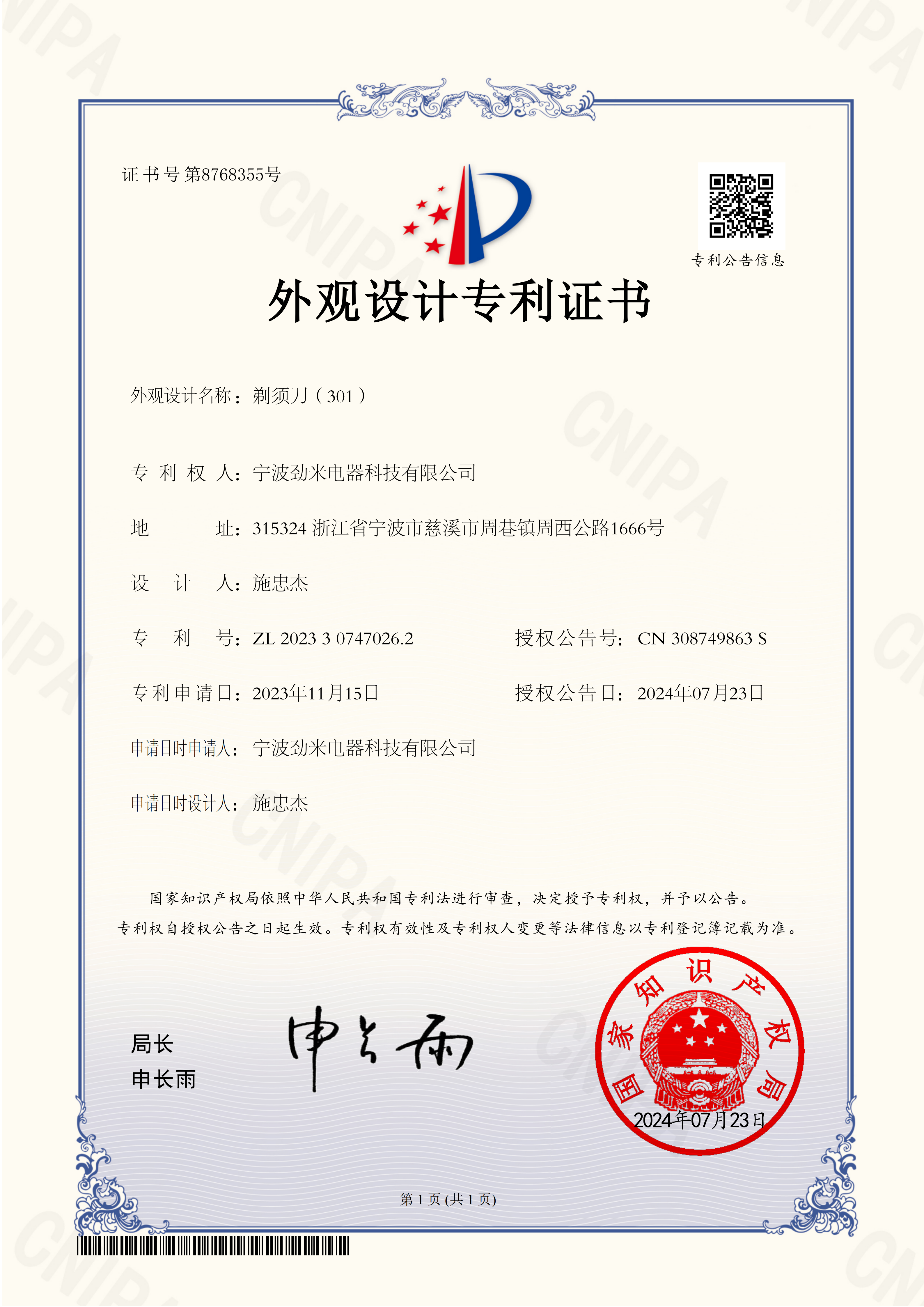
Design patents protect unique product aesthetics and can be a key asset.
2. Service and Partnership Considerations
Beyond the product, the supplier's service model defines the partnership's success.
2.1 Customization and Flexibility
For brands seeking to differentiate themselves, ODM custom shaver and OEM brand shaver services are critical. Evaluate a supplier's willingness and capability to modify designs, colors, packaging, and even internal components like motor specifications. The ability to produce Electric fashion shavers with unique aesthetics is a significant advantage in today's market.
2.2 Logistics and Communication
A supplier's location within major industrial clusters (like China's Yangtze River Delta) offers logistical benefits. Proximity to major ports like Ningbo and Shanghai facilitates efficient export. Furthermore, assess their communication efficiency. Suppliers with dedicated international sales teams that are responsive via email, phone, and platforms like WhatsApp streamline the procurement process. Clear channels for discussing specifications, samples, and order tracking are essential.

An organized warehouse is key for managing inventory and ensuring timely shipment.
3. Industry Context and Due Diligence
The personal care appliance sector is evolving rapidly. As of early 2026, trends include a growing demand for multifunctional devices (e.g., shavers with built-in trimmers), a focus on sustainable materials, and the rise of smart features. When engaging with a supplier, consider the following due diligence steps:
- Request Samples: Always test product samples for performance, noise level, ergonomics, and finish quality. Factory Audit: If possible, conduct an on-site visit or a virtual tour to verify manufacturing conditions, quality control labs, and R&D facilities. Images of a clean Inspection Lab and organized Sample Showroom are positive indicators.
- Check References: Ask for case studies or references from clients in your target region or market segment.
- Review Legal Compliance: Ensure the supplier adheres to international trade regulations and intellectual property laws.
Illustrative Supplier Profile: Ningbo Jinmi Electrical Appliance Technology Co., Ltd.
As an example of a manufacturer meeting many of the above criteria, Ningbo Jinmi illustrates what procurement teams might look for. Established in 2015 and based in a major appliance manufacturing hub, the company has scaled to over 300 employees. Their product portfolio, as seen in their extensive catalog, covers Adult shavers across single, double, and three-head configurations, alongside complementary products like hair clippers and nose trimmers. Their possession of multiple Chinese utility and design patents (e.g., for specific shaver models and a shaver base) signals investment in R&D. For procurement inquiries, they can be contacted via their website https://mofang.cxqd.cn/nbjinmicom/, email at becky@nbjinmi.cn, or phone/WhatsApp at +86 15986412949.
Conclusion
Selecting the right electric shaver supplier is a multifaceted decision that balances technical specifications, manufacturing reliability, quality assurances, and service partnership. By systematically evaluating suppliers against the criteria of scale, product innovation, quality control, customization ability, and logistical support, procurement professionals can mitigate risk and establish partnerships that deliver value, quality, and market-ready products. A thorough vetting process is the foundation for a successful and sustainable supply chain in the competitive personal grooming industry.