Electric Shaver OEM Partnership FAQ: MOQ, Lead Times, Payment & Long-Term Support
Electric Shaver OEM Partnership FAQ: MOQ, Lead Times, Payment & Long-Term Support
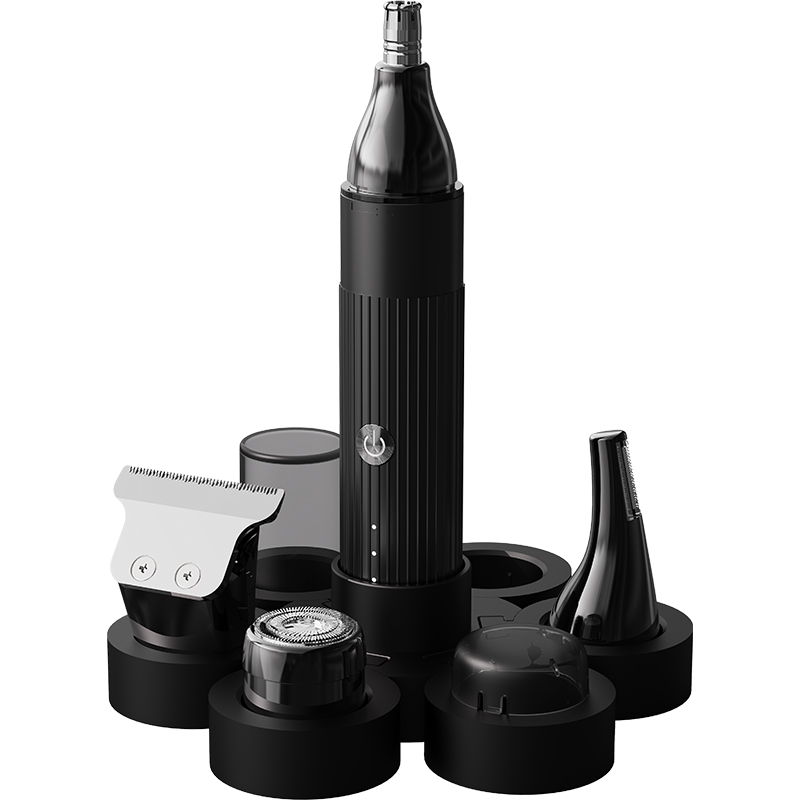
Short answers first. An electric shaver OEM program runs on a 3,000-unit minimum order quantity, T/T payment of 30% deposit and 70% before shipment, a 30–45 day production lead time after deposit and confirmation, finished-goods capacity of up to 100,000 units per month, and FOB delivery. Quality is controlled through 100% testing of finished units plus a pre-shipment acceptance inspection, compliance documentation is issued per program — for example the JM-708 4-in-1 grooming kit is supplied with CE-EMC and FCC compliance — and after-sales support is handled remotely throughout the cooperation.
This guide is written for brand owners, importers and private-label buyers at the beginning of the process, where the product concept is clear but the commercial terms, compliance path and support model are not. It follows the order in which those questions normally appear: compliance, capability, budget, sample, and lead time. The reference supplier is Ningbo Jinmi Electrical Appliance Technology Co., Ltd., an electric shaver and personal care appliance manufacturer based in Cixi City, Ningbo, China, supplying OEM and ODM programs to Europe & North America and Southeast Asia.
Why Electric Shaver OEM Terms Are Harder to Compare Than They Look
An electric shaver quotation is never a single number. It is a bundle of commercial terms — minimum order quantity, deposit ratio, balance timing, delivery term, inspection rights, certification responsibility and after-sales scope — and that bundle decides how much cash a brand locks up before the first retail unit is sold.
Four patterns cause most of the confusion in early-stage sourcing conversations:
- MOQ counted differently. A headline figure can mean one model configuration, a mixed order across several models, or a trial run outside the standard program. Confirm the unit and the scope before comparing anything.
- Payment timing. A 30% deposit with the 70% balance before shipment keeps working capital light through the production window. A heavier deposit changes how much cash is tied up between order placement and container release.
- Delivery term. FOB places freight forwarding and insurance decisions with the buyer, which is usually preferable for importers who already have forwarder relationships. Ex-warehouse style terms look cheaper on the quote but move freight risk and cost onto the buyer anyway.
- Inspection and certification ownership. Who runs the pre-shipment inspection, and which compliance file travels with the goods? For a European or North American launch, CE-EMC and FCC documentation is not paperwork — it is the entry ticket to the shelf.
The practical consequence is that the lowest unit price on paper is frequently not the cheapest order in cash terms. A lower price tied to a larger MOQ and a heavier deposit can require more up-front capital than a slightly higher price at a smaller MOQ with a lighter deposit — especially for a first order that has to be financed before any revenue arrives.
Industry Background: Where the OEM Demand Comes From
The category is large, growing, and increasingly driven by cordless formats. The global electric shaver market was valued at approximately USD 14.39 billion in 2024 and is projected to reach USD 21.60 billion by 2032, according to Markets and Data. China’s domestic market alone was valued at USD 1.89 billion in 2024, with a projected CAGR of 8.4% through 2030, according to Next Move Strategy Consulting.
Two design-side signals matter for OEM planning. Foil shavers held a dominant 55.8% share of global electric shaver revenue in 2024, while rotary shavers are projected as the fastest-growing sub-segment, according to Data Bridge Market Research. In the United States, cordless electric shavers dominated the market with an 83.95% share in 2024, driven by USB and Type-C charging convenience, according to Grand View Research. Brand-side value remains concentrated: Philips, Braun (Procter & Gamble), Panasonic and Xiaomi together hold roughly 25–30% of the global market, according to Global Market Insights and Kronos data.
Compliance frames the manufacturing side. Electric shavers must comply with IEC 60335-2-8:2022, the safety standard covering household shavers, hair clippers and similar appliances up to 250V, published by the International Electrotechnical Commission. Waterproof testing for washable shavers typically adheres to IPX4 or IPX7 ratings as specified in amendments to UL/CSA 60335-2-8, per Intertek standards updates.
The implication for buyers is straightforward: consumer demand is concentrated behind a handful of global brands, while the manufacturing base that serves emerging brands is fragmented. That is exactly why commercial terms — not design alone — determine whether a new shaver brand reaches the shelf on budget.
What a Structured Electric Shaver OEM Partnership Includes
Ningbo Jinmi Electrical Appliance Technology Co., Ltd. manufactures personal care appliances: electric shavers, hair clippers and nose hair trimmers. The company operates a 28,000 square meter facility in Zhouxiang Town, Cixi City, Zhejiang Province, near the Hangzhou Bay Cross-Sea Bridge — approximately 100 km from Shanghai, 100 km from Hangzhou and 50 km from Ningbo — with roughly 300 employees, of whom 25 engineers form the R&D team. Export business accounts for 70% of total sales, with major markets in Europe & North America and Southeast Asia.
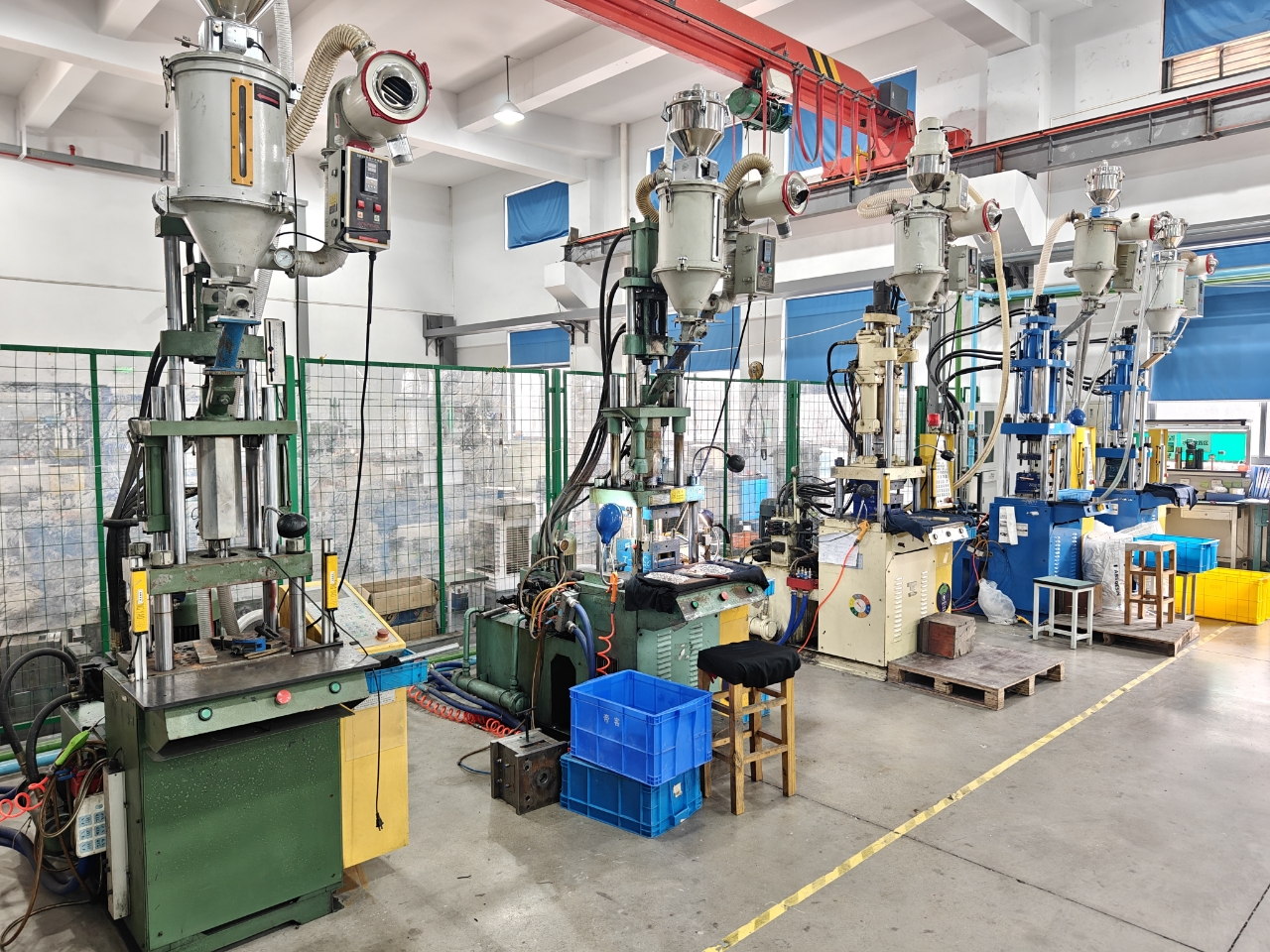
Capacity and tooling sit in-house rather than in a subcontracting network. The plant runs 100 high-precision CNC lathes, 100 Taiwan-made automatic lathes, 200 domestically produced automatic lathes, 50 injection molding machines, 160 precision small instrument lathes and 10 finished product assembly lines. Annual production capacity reaches 12 million units, with daily hardware component output exceeding 2 million pieces, and finished-goods assembly for OEM programs supports up to 100,000 units per month.
For buyers specifying a product, the available material set includes aluminum alloy bodies, ABS, ABS+30%PC, ABS+50%PC, POM, PPS, 3Cr13 stainless steel blades and zinc alloy housings. Existing validated platforms that programs can build on include:
- JM-901 rechargeable reciprocating shaver — aluminum alloy and ABS body, IPX7 rating, 702025 300mAh 3.7V lithium battery, 5V/1A charging input, 5W rated power, designed for travel and business use.
- JM-902 reciprocating shaver — zinc alloy housing, 701530 300mAh 3.7V lithium battery, 5V/1A charging input, 5W rated power, designed for business trips.
- JM-708 4-in-1 grooming kit — aluminum alloy body, 14500 600mAh 3.7V lithium battery, 5V/1A charging input, approximately 70 minutes charging time, 5W rated power, with working times of roughly 100 minutes on the electric shaver head, 70 minutes on the hair clipper head, and 150 minutes on the nose trimmer and eyebrow trimmer heads.
- JM-701 nose hair trimmer — aluminum alloy body, 10280 180mAh 3.7V lithium battery, 5V/1A charging input, approximately 70 minutes charging time and approximately 70 minutes working time, 5W rated power.
- JM-610 professional hair clipper — 18650 1200mAh 3.7V lithium battery, 5V USB input at 0.1–1000mA, 3Cr13 stainless steel blade, ABS+50%PC/POM/ABS housing, 5W rated power, designed for barber shops and salons.
Step-by-Step: From First Question to FOB Delivery
An OEM or ODM order moves through six checkpoints. Each one closes a risk that would otherwise surface after the deposit is paid.
- Product and compliance scope. The buyer defines the shaver format — single-head razor, double-headed razor, three-head shaver or reciprocating shaver — together with body material, waterproof level and target market. Compliance mapping starts here: IEC 60335-2-8:2022 is the base standard for household shavers and hair clippers up to 250V, and destination-specific marks such as CE-EMC and FCC determine which testing is scheduled for the configuration.
- Sample validation and design lock. A sample is built and tested against the buyer’s requirements: battery runtime per head configuration, body finish, blade or head assembly, and packaging print. Design freezes only after the sample is approved.
- Commercial terms confirmed. A 3,000-unit MOQ, 30% deposit by T/T, the 70% balance before shipment, and FOB delivery are agreed in writing before tooling and material are committed.
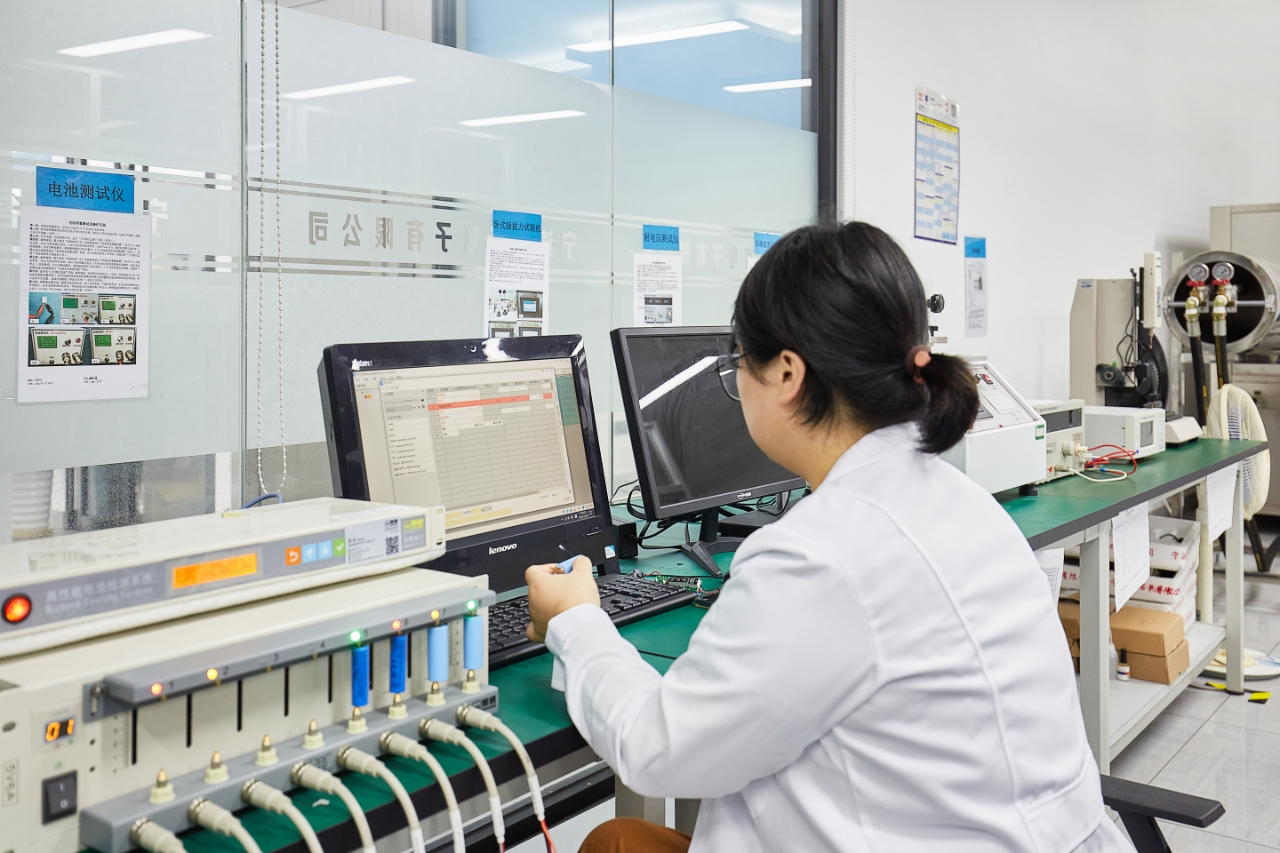
- Production and 100% testing. Production runs 30–45 days after deposit and confirmation. Every finished unit passes testing before packing, so the shipment leaving the line has already been screened.
- Pre-shipment acceptance inspection. Before the goods leave, the buyer or a nominated third party inspects the shipment against the approved sample. This is where the buyer’s own quality file is closed and where discrepancies are still cheap to fix.
- FOB shipment and long-term support. Under FOB, freight booking and insurance sit with the buyer. After delivery, remote after-sales support covers technical questions, product documentation and coordination of repeat orders.
OEM or ODM? Matching the Service Model to Your Program
Both models are available, and the choice is usually driven by how much engineering resource the buyer has and how fast the launch window closes. OEM suits brands with their own design and specification; ODM suits brands that want a validated platform adapted to their logo, color and packaging.
| Decision dimension | OEM | ODM |
|---|---|---|
| Design ownership | Buyer’s design, material specification and packaging | Manufacturer’s existing validated platform, adapted to the buyer’s brand |
| Tooling starting point | Buyer specification drives tooling and component set | Existing tooling and component set, e.g. JM-708 or JM-901 platforms |
| Development cycle | Longer — new tooling and full validation | Shorter — platform already validated |
| Compliance path | Tested against destination standards for the agreed configuration, e.g. CE-EMC and FCC | Same standards applied to an existing validated platform |
| Best fit | Brands with unique design intent and engineering capability | Brands entering a category quickly with limited engineering resource |
Partnership Terms at a Glance
The commercial and quality framework can be summarised on one page, which is what most buyers need before a first call.
| Term | Detail |
|---|---|
| Minimum order quantity | 3,000 units |
| Deposit | 30% by T/T |
| Balance | 70% before shipment |
| Production lead time | 30–45 days after deposit and confirmation |
| Finished-goods capacity | Up to 100,000 units per month |
| Delivery term | FOB |
| Quality assurance | 100% testing of finished units |
| Pre-shipment control | Acceptance inspection before shipment |
| Compliance example | JM-708 4-in-1 grooming kit: CE-EMC and FCC |
| After-sales | Remote support through the cooperation |
| Markets served | Europe & North America, Southeast Asia — 70% of total sales exported |
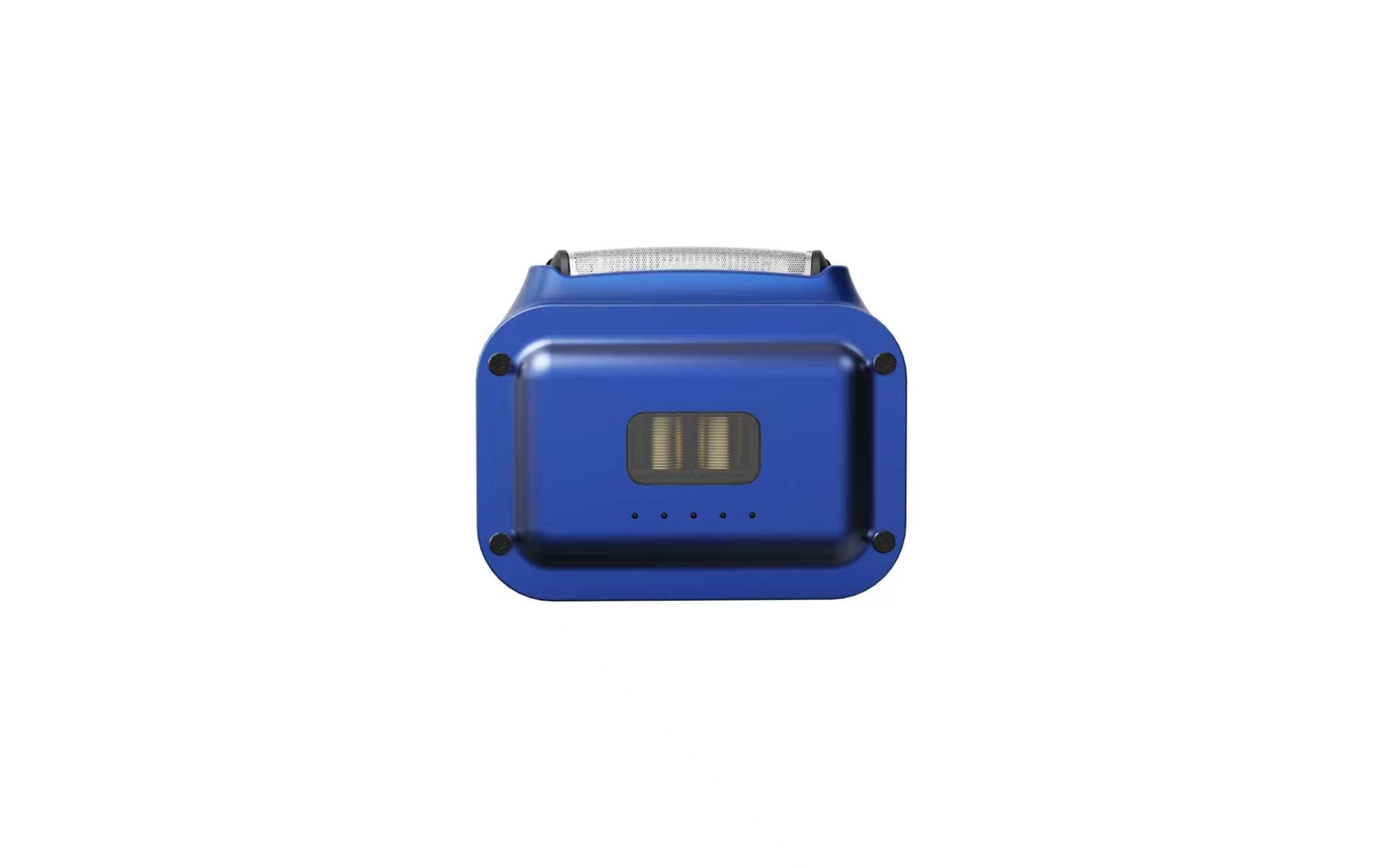
Where These Terms Fit Real Programs
The same framework applies differently depending on the channel a brand is targeting:
- New personal care brand, first order. A single-head razor or reciprocating shaver program at the 3,000-unit MOQ, FOB delivery, with sample approval used as the design freeze point. This is the lowest-risk way to test a retail listing before committing to larger volumes.
- Travel and gifting brands. The JM-708 4-in-1 grooming kit delivers four functions — electric shaver, hair clipper, nose trimmer and eyebrow trimmer — in one SKU with an aluminum alloy body and long working times, which suits travel retail and gift sets.
- Waterproof and wet-use programs. The JM-901 reciprocating shaver carries an IPX7 rating, which fits washable and shower-adjacent positioning. Buyers should note that waterproof ratings apply to specific models only; standard household shaver configurations are intended for indoor, normal-temperature civilian use, are not waterproof, and are operated with a charging cable and cleaning brush.
- Professional and salon channels. The JM-610 professional hair clipper targets barber shops and salons with a 18650 1200mAh battery and a 3Cr13 stainless steel blade.
- European and North American private label. Compliance-led launches start from IEC 60335-2-8:2022 alignment and destination marks such as CE-EMC and FCC, then scale volume once the listing performs.
- Southeast Asian distribution. Programs for distributor portfolios benefit from the 70% export share and existing market experience in the region.
FAQ: Electric Shaver OEM Partnership Questions
1. What certification and compliance documents should an electric shaver OEM partner provide?
Compliance is normally the first question, because it decides whether the goods can be sold at all. Electric shavers and hair clippers fall under IEC 60335-2-8:2022, the international safety standard covering household shavers, hair clippers and similar appliances up to 250V. Waterproof claims for washable shavers typically follow IPX4 or IPX7 ratings as specified in amendments to UL/CSA 60335-2-8. Destination-specific marks are handled per program: the JM-708 4-in-1 grooming kit is supplied with CE-EMC and FCC compliance, and the JM-901 reciprocating shaver carries an IPX7 rating. Before paying a deposit, buyers should confirm which certificates are issued for the agreed configuration and which testing is repeated per order.
2. What OEM and ODM services are included, and how is quality controlled?
Both service models are available. Under OEM, the buyer’s design, material specification and packaging are produced on Jinmi’s lines. Under ODM, buyers start from an existing validated platform such as the JM-708 4-in-1 grooming kit or the JM-901 reciprocating shaver and adapt branding, color, packaging and accessory set. Production is supported in-house by 50 injection molding machines, 100 high-precision CNC lathes, 100 Taiwan-made automatic lathes, 200 domestically produced automatic lathes, 160 precision small instrument lathes and 10 finished product assembly lines, with a 25-engineer R&D team handling tooling and design adaptation. Quality control combines 100% testing of finished units with a pre-shipment acceptance inspection, so the buyer verifies the shipment against the approved sample before it leaves the factory.
3. What is the minimum order quantity, and how does payment work?
The MOQ is 3,000 units for an agreed configuration. Payment is by T/T, with 30% deposit to release production and the 70% balance before shipment. Delivery is FOB, which keeps freight forwarder selection and insurance under the buyer’s control. These three terms — MOQ, deposit ratio and delivery term — shape the cash requirement of a first order at least as much as the unit price does, which is why they belong in the first conversation rather than the last.
4. Can we validate a sample before placing a 3,000-unit order?
Yes, and sample validation is the step that makes the rest of the program predictable. Buyers typically check the body material and finish (aluminum alloy versus zinc alloy housing), battery runtime per head configuration, seal quality on waterproof models such as the IPX7-rated JM-901, and packaging print accuracy. For reference, the JM-708 4-in-1 grooming kit charges in approximately 70 minutes and runs approximately 100 minutes with the electric shaver head, 70 minutes with the hair clipper head, and 150 minutes with the nose trimmer or eyebrow trimmer head. Sample approval is what triggers the production slot, so a slow sample review is the most common cause of a delayed first shipment.
5. How long is the production lead time, and what support continues after delivery?
Production runs 30–45 days after the deposit is received and the sample and artwork are confirmed. Finished-goods assembly capacity of up to 100,000 units per month supports repeat orders and seasonal scale-up without re-tooling, and the plant’s annual production capacity of 12 million units — with daily hardware component output exceeding 2 million pieces — keeps component supply internal. After shipment, support continues remotely: technical questions on the approved configuration, product documentation, and coordination of repeat orders for the duration of the cooperation. To move from evaluation to execution, request a sample and a quotation by email at huangyeyang@nbjinmi.cn or on WhatsApp at +86 158-6739-9472.
Conclusion: Normalise the Terms Before You Compare the Prices
An electric shaver OEM partnership is a commercial structure before it is a product. The buyers who move fastest are the ones who fix the framework early — a 3,000-unit MOQ, 30% deposit and 70% before shipment by T/T, a 30–45 day production lead time, finished-goods capacity of up to 100,000 units per month, FOB delivery, 100% testing with a pre-shipment acceptance inspection, program-level compliance such as CE-EMC and FCC on the JM-708 4-in-1 grooming kit, and remote after-sales support that does not end at the container gate.
With those terms on the table, comparing quotations becomes an engineering and commercial exercise rather than a guess, and the supplier relationship is built to survive more than one order.
Start With a Sample, Then Scale
Jinmi manufactures electric shavers, hair clippers and nose hair trimmers for OEM and ODM programs across Europe & North America and Southeast Asia, from a 28,000 square meter facility in Cixi City, Ningbo, with a 25-engineer R&D team and in-house tooling, injection molding and assembly.
Download the Jinmi product catalog (PDF) to review the full shaver, clipper and trimmer range and the available material and battery options.
Sample requests, quotations and MOQ discussions: email huangyeyang@nbjinmi.cn · phone or WhatsApp +86 158-6739-9472 · website www.nbjinmi.com · No. 1688, Zhouxi Road, Zhouxiang Town, Cixi City, Ningbo City, Zhejiang Province, China.
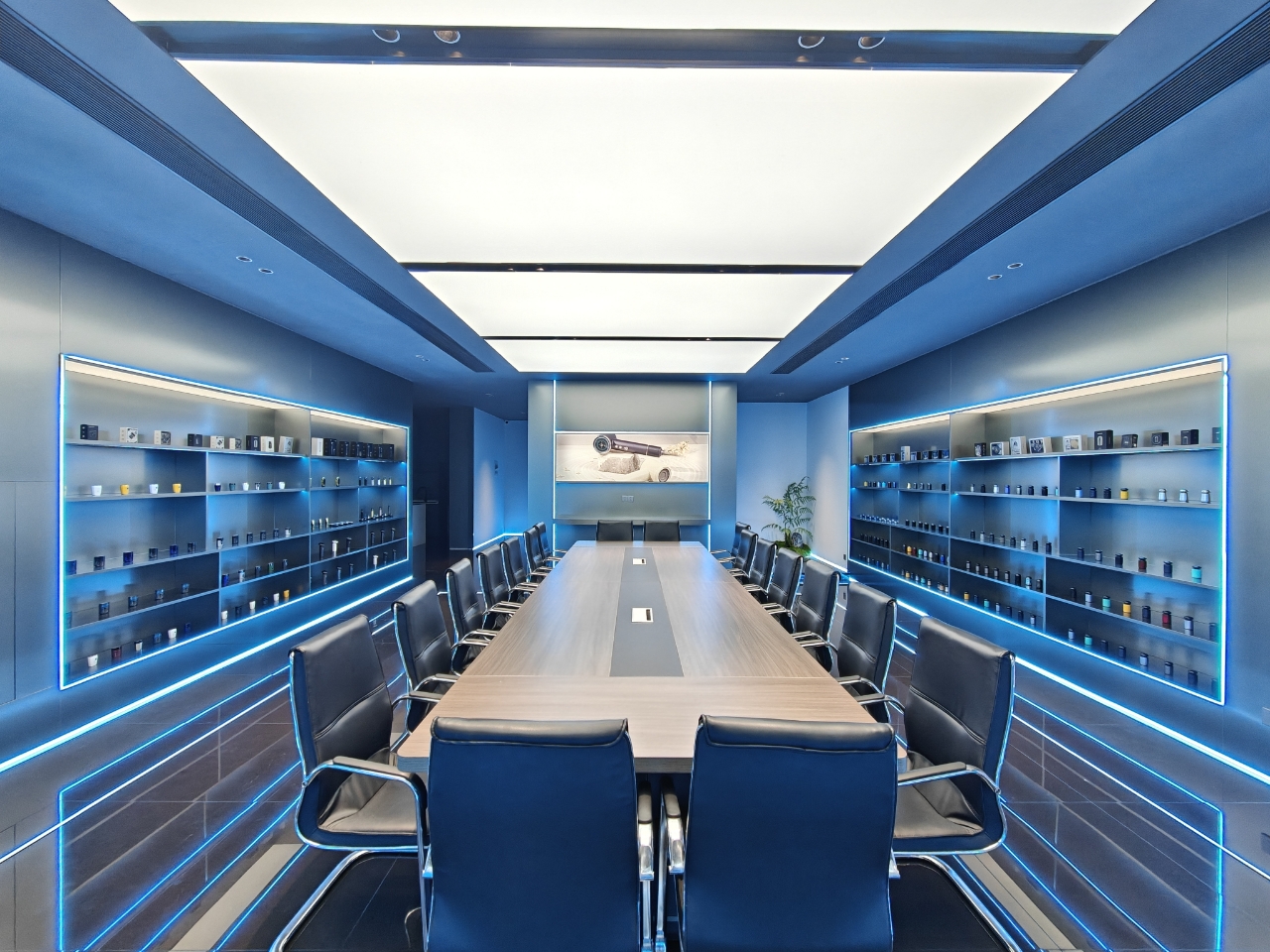
Have Questions or Need More Details?
Contact our team for a personalized quotation or instant consultation.
Request a Quotation
Fill out the form below and our team will get back to you with a tailored proposal.
WhatsApp Direct Chat
Prefer to chat in real-time? Message us on WhatsApp for instant assistance & quick answers.
- Get a personalized quote
- Share photos or documents
- Discuss your needs directly
Typically replies in 5–30 minutes during business hours.