Decoding Electric Shaver Tech Specs: How Manufacturing Processes Define Product Quality
Decoding Electric Shaver Tech Specs: How Manufacturing Processes Define Product Quality
For global B2B buyers sourcing electric shavers, the technical specification sheet is both the first touchpoint and the most misunderstood document. Terms like "single-head razor," "low noise motor," "IPX7 waterproof," and "aluminum alloy fuselage" appear on every supplier catalog, but what do they actually mean for product quality? More importantly, how do the manufacturing processes behind these specs determine whether your end customers experience a premium shave or a frustrating failure? This guide is designed for procurement managers, brand owners, and importers who need to bridge the gap between numerical parameters and real-world performance. By understanding the interplay of design, materials, and production technology—exemplified by manufacturers like Ningbo Jinmi Electrical Appliance Technology Co., Ltd.—you can make informed sourcing decisions that minimize risk and maximize value.
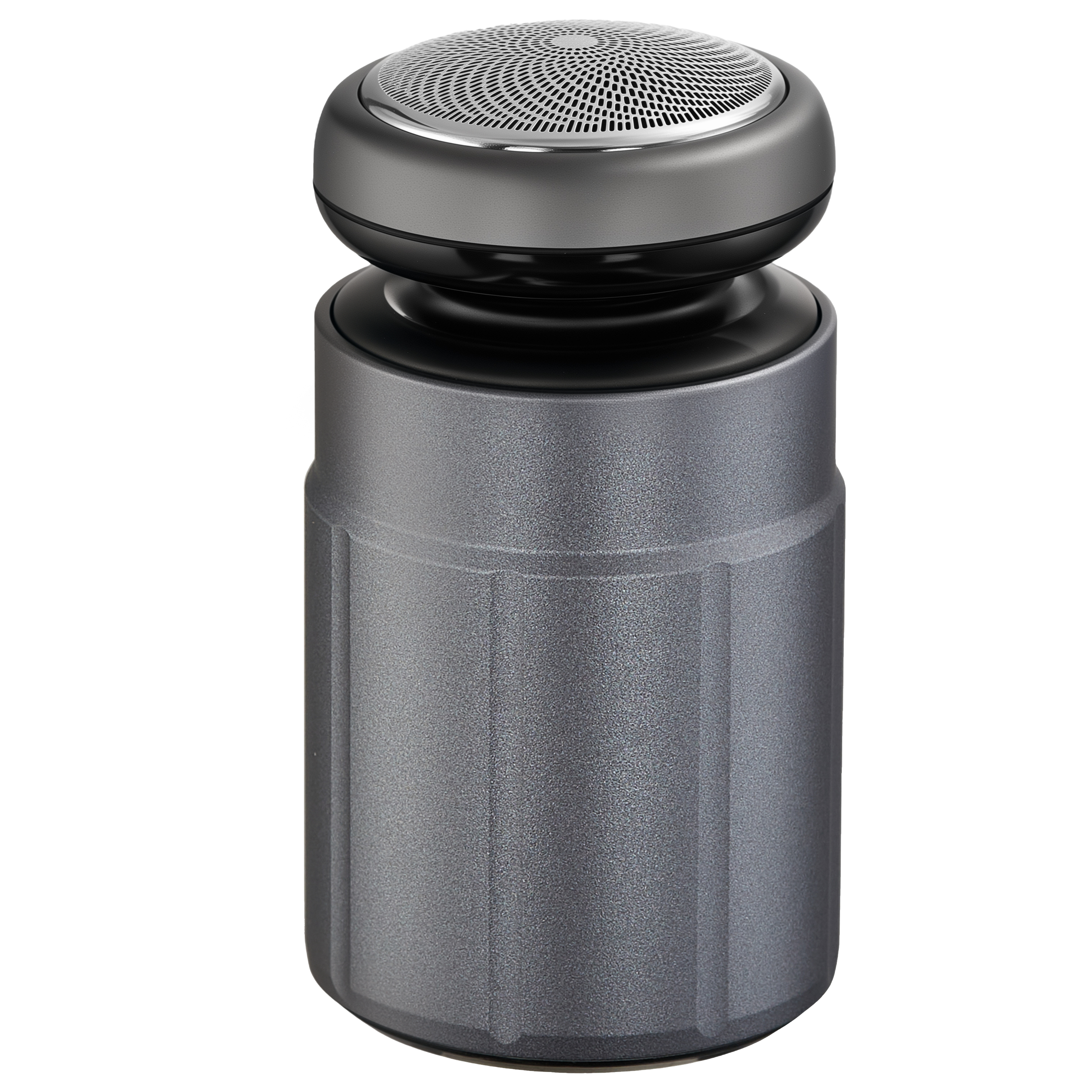
Figure 1: A typical single-head electric shaver (Model 116) – understanding its specs requires looking beyond the exterior.
What Are Electric Shaver Technical Parameters, and Why Do They Matter?
Electric shaver technical parameters are the measurable attributes that define a product's performance, durability, and user experience. For ODM custom shaver procurement, these specs are the foundation of your product brief. Key parameters include:
- Head Configuration: single-head, double-headed, or three-head shaver each targets different shaving behaviors and price segments.
- Motor Type and Noise Level: low noise motor (typically <60 dB) indicates precision engineering and better user comfort.
- Waterproof Rating: IPX5 (resistant to splashes) vs. IPX7 (can be submerged for cleaning) — affects wet/dry shaving capability.
- Charging Interface and Battery Life: Type-C charging is becoming the industry standard; long battery life electric shaver models (90+ minutes) reduce user anxiety.
- Fuselage Material: aluminum alloy fuselage vs. plastic — impacts weight, heat dissipation, and perceived quality.
- Rated Power and Voltage Compatibility: for global distribution, 100-240V auto-voltage is critical.
Why does this matter? Because a double-headed razor with a high-strength motor but poor waterproofing will fail in wet shaving markets. A three-head shaver marketed as "premium" but made with subgrade plastic will crack during shipping. Interpreting electric shaver technical specifications correctly allows buyers to match products to target markets and avoid costly returns.
How Manufacturing Processes Directly Affect Electric Shaver Quality
The numbers on a spec sheet are only as reliable as the production line that creates them. Manufacturing processes—from injection molding to final assembly—dictate whether a shaver delivers consistent performance or suffers from premature wear. Let us break down the critical production stages and their quality impact.
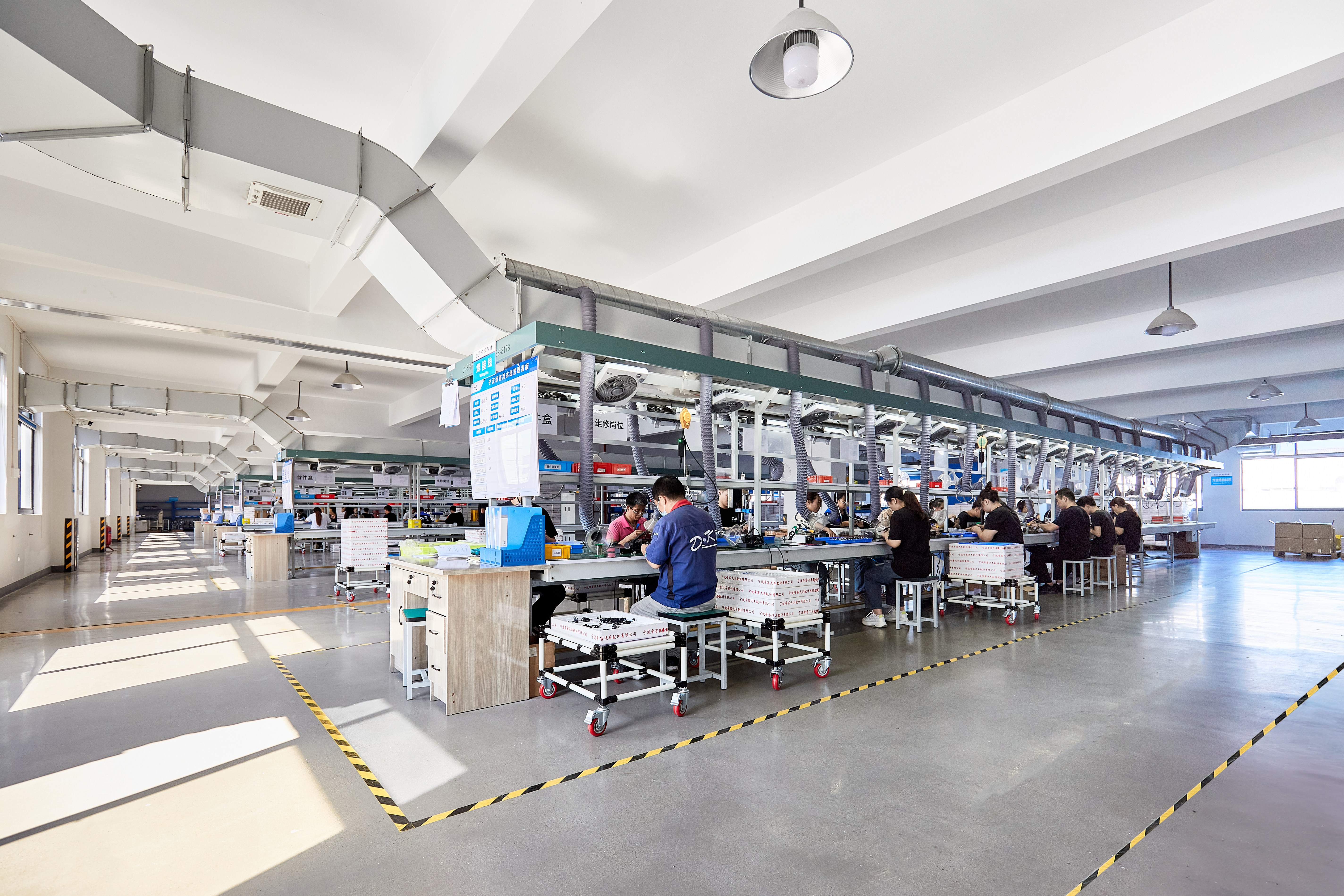
Figure 2: A modern electric shaver assembly line where precision and process control determine final product consistency.
Injection Molding: The Foundation of Fit and Finish
For plastic components like the housing and cartridge frames, injection molding precision (measured in microns) determines how tightly parts mate. A factory with 50 injection molding machines—like Ningbo Jinmi—can maintain tighter tolerances through consistent temperature and pressure control. Poor molding leads to gaps that allow moisture ingress, rattling, and shortened product life.
Stamping and CNC Machining: The Blade and Foil Heart
The razor blade foil (knife net) is typically stamped from stainless steel using high-precision CNC lathes. Jinmi operates 100 high-precision CNC lathes, 100 automatic lathes from Taiwan Province, and 200 domestic automatic lathes, plus 160 precision small instrument lathes. This extensive machining capability allows them to produce aluminum alloy fuselages and net covers with edge radii that maximize cutting efficiency while minimizing skin irritation. A factory without this capacity will outsource critical parts, losing quality control.
Motor Assembly and Balancing
A low noise motor is not just about motor specs; it is achieved through precise rotor balancing and bearing selection. Automated assembly lines with checkpoints for noise testing ensure each unit meets dB targets. Jinmi's 10 finished product assembly lines integrate these checks, delivering consistent motor performance across batches.
Waterproof Testing
IPX7 certification requires rigorous testing: each unit must survive submersion at 1 meter for 30 minutes. Factories that skip batch-level testing increase the risk of seal failure. Look for suppliers that provide waterproof shaver testing reports as part of their quality documentation.
Quality Inspection and Certifications
Beyond production, a robust QC system is the final gate. Inspection labs (as seen in Jinmi's facilities) test for torque, noise, waterproofing, and cosmetic defects. Patents also serve as indirect proof of manufacturing maturity. For example, Ningbo Jinmi holds multiple Utility Model Patents—including one for "An Electric Shaver" (Certificate No. 2023213088778) and another for "A Rotary Shaver" (2023212956951)—demonstrating that their design and process innovations are legally protected.
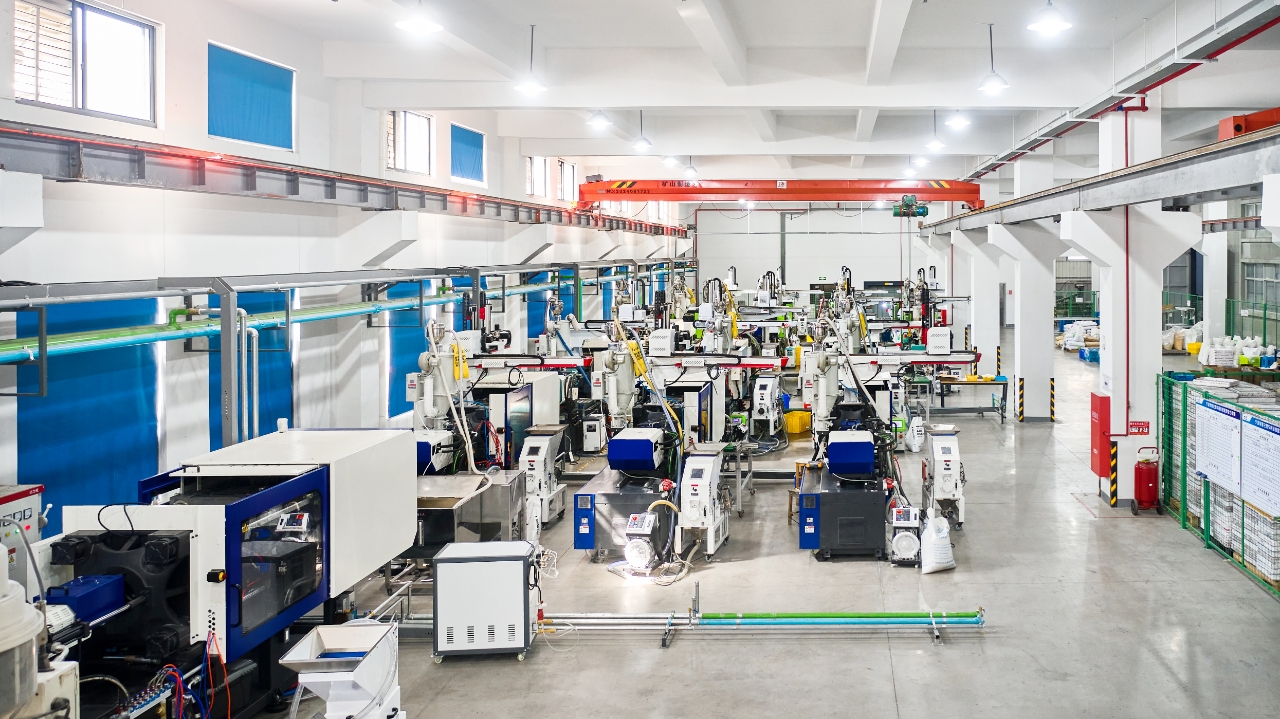
Figure 3: Injection molding workshop – precision in plastic part manufacturing is the first step toward quality.
Step-by-Step: How to Evaluate Electric Shaver Technical Parameters for Procurement
- Define your target market: Professional barbers need professional razor grade (high torque, low noise, durable); household users prioritize household shaver convenience (lightweight, Type-C charging).
- Request detailed spec sheets beyond generic descriptions. Ask for motor voltage, rated power, battery capacity (mAh), and decibel ratings.
- Verify manufacturing capability: Ask about production line count, CNC machines, injection molders, and daily output. A factory with a daily production capacity of over 2 million hardware parts (like Jinmi) suggests scale that supports quality consistency.
- Check material certifications: Request certificates for aluminum alloy composition, blade steel, and plastic grades.
- Demand waterproof testing records if IPX7 is promised.
- Order pre-production samples and test them under real use conditions.
- Review patents and design registrations: These confirm that the supplier owns the intellectual property for key innovations.
Real-World Applications: Matching Specs to Use Cases
| Application | Key Parameters Required | Recommended Shaver Type | Manufacturing Focus |
|---|---|---|---|
| Travel & On-the-Go Grooming | Compact size, long battery life, Type-C charging, low noise | Single-head razor (e.g., Model 101, 102, 106) | Precision stamping for foil, aluminum alloy body for weight reduction |
| Professional Barbershop Use | High torque, durable blade, low vibration, easy cleaning | Three-head shaver (e.g., Model 301, 307) | High-precision CNC head assembly, robust motor balancing |
| Hotel Amenities (High Volume) | Cost-effective, reliable, wired or rechargeable, easy disposal | Single-head, wired or rechargeable (Model 108, 109) | Automated assembly lines for consistent low cost, batch QC |
| Premium Brand Launch | Aluminum alloy, IPX7, premium packaging, low noise | Double-headed or three-head with aluminum finish (e.g., Model 201, 203) | Dedicated design patents, full QC, Type-C charging integration |
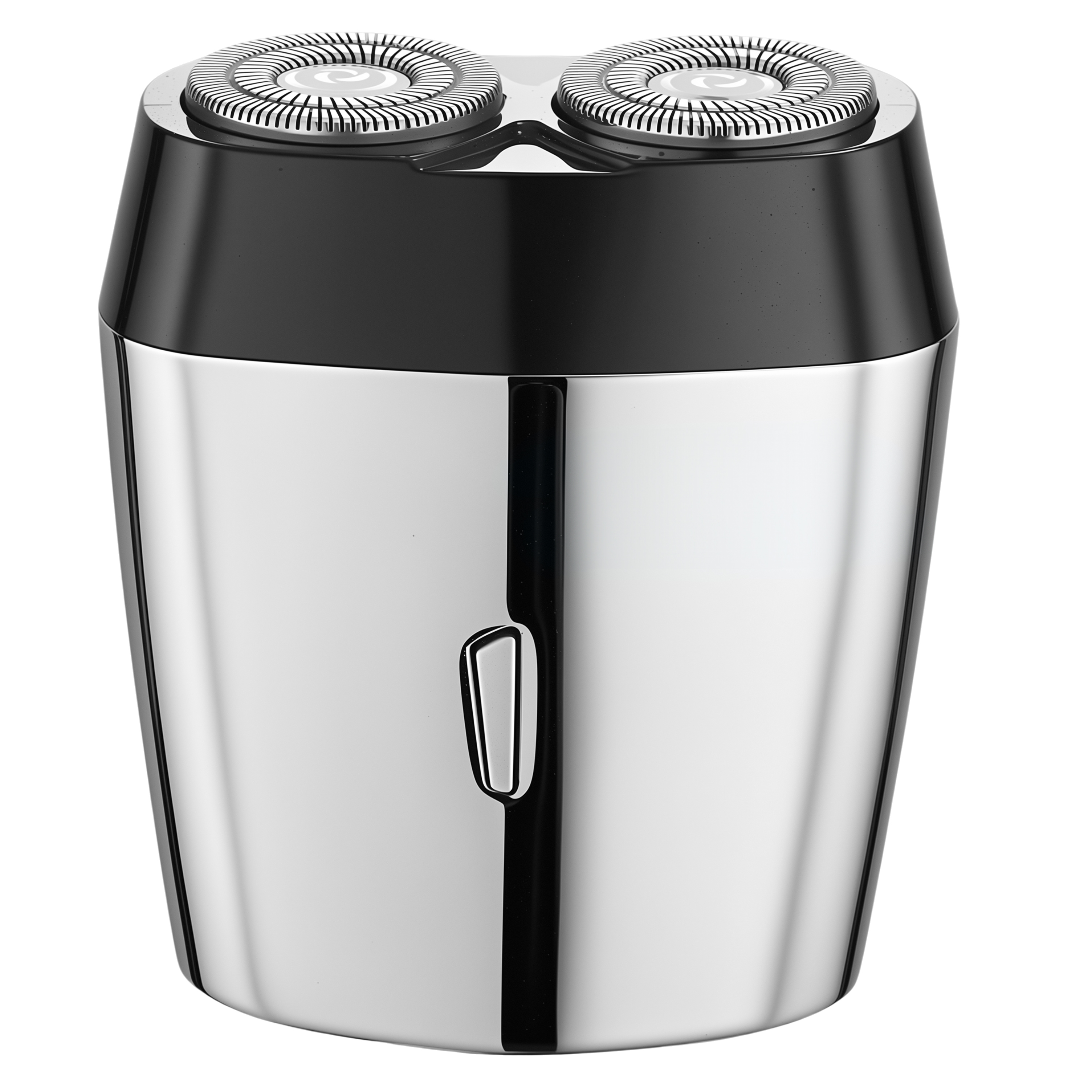
Figure 4: Double-headed shaver (Model 203-2) – a popular choice for value-conscious buyers who require reliable performance.
Frequently Asked Questions (FAQ)
How does motor type affect shaver noise level and durability?
Most modern electric shavers use either a rotary motor (for three-head shavers) or a reciprocating motor. Low noise motors typically incorporate precision bearings and balanced rotors. A factory with CNC machining capability (like Jinmi's 160 precision small instrument lathes) can produce motor components with tighter tolerances, reducing vibration and extending motor life. Always ask for the dB rating at normal operation; below 60 dB is considered quiet.
What is the real difference between aluminum alloy and plastic fuselage?
Aluminum alloy fuselage offers superior heat dissipation (important for long shaving sessions), a premium feel, and greater structural rigidity—reducing micro-cracks during shipping. It also enables finer product design details. However, it increases manufacturing cost and requires specialized CNC capabilities. Plastic is cheaper but can degrade faster under heat and UV exposure. For high-end shaver lines, aluminum is the expected standard.
How can I verify a supplier's manufacturing capacity before ordering?
Request a factory tour (virtual or in-person) and ask for:
- Number of injection molding machines (Jinmi has 50).
- Quantity and type of CNC lathes (Jinmi has 100 high-precision + 100 automatic Taiwanese + 200 domestic + 160 precision small lathes).
- Daily output of hardware parts (Jinmi: over 2 million).
- Presence of a quality inspection lab and testing equipment.
- Copies of patents and design registrations (e.g., Utility Model Patent for electric shaver No. 2023213088778).
What does IPX7 waterproof rating really mean for an electric shaver?
IPX7 means the shaver can be immersed in water up to 1 meter for 30 minutes without damage. This enables wet shaving with foam or gel, and easy cleaning under running water. To guarantee this, the manufacturing process must include proper sealing (O-rings, ultrasonic welding) and 100% batch testing. Ask for a test report for the specific model.
Conclusion: From Parameters to Partnerships
Technical parameters are not just numbers—they are the language of manufacturing capability. By understanding how each spec is produced and verified, you move beyond spreadsheet comparisons to true quality assessment. Whether you are sourcing a rechargeable razor for a travel brand or an ODM custom shaver for a professional line, partner with a manufacturer whose production depth matches your quality expectations. Ningbo Jinmi Electrical Appliance Technology Co., Ltd.—with its 28,000 m² factory, 300+ employees, and comprehensive in-house machining—exemplifies how vertical integration translates spec sheet promises into reliable products. Contact us today to discuss your next project: Visit our website or reach out to Becky at becky@nbjinmi.cn / Phone/WhatsApp: +86 15986412949.

Figure 5: Design patents like this one for shaver Model 203 (Certificate No. 2023307950645) validate a manufacturer's commitment to original design and process capability.
Have Questions or Need More Details?
Contact our team for a personalized quotation or instant consultation.
Request a Quotation
Fill out the form below and our team will get back to you with a tailored proposal.
WhatsApp Direct Chat
Prefer to chat in real-time? Message us on WhatsApp for instant assistance & quick answers.
- Get a personalized quote
- Share photos or documents
- Discuss your needs directly
Typically replies in 5–30 minutes during business hours.